Yoga is an incredibly vast topic; encompassing body, mind and soul. It’s a way of life. It is also a medium for personal development; a means to rise above the ego and unite with the Divine Self.
Yoga has stood through time, throughout generations, guiding humanity from forgetfulness to enlightenment. This journey can of course take a lifetime, perhaps even several lifetimes, through multilayered paths.
In this blog, I discuss the four paths of yoga available to us as outlined in the Vedas (ancient Indian spiritual knowledge).
The Three Mind Impurities – “The Problem”
The Vedas state that one of the most important things we can do for our consciousness development is to “remember” that we are not separate from each other and from the rest of existence in general. Separation is an illusion. To this end, it describes three impurities of the mind that are known to cause forgetfulness.
The three mind impurities are:
Mala: selfishness and building a singular and egoic identity
Vikshepa: having a mind that is focussed outwards and riddled with thoughts; sometimes referred to as the “monkey mind”
Avavana: a lack of self-awareness due to life experiences
The Four Paths of Yoga – “The Solution”
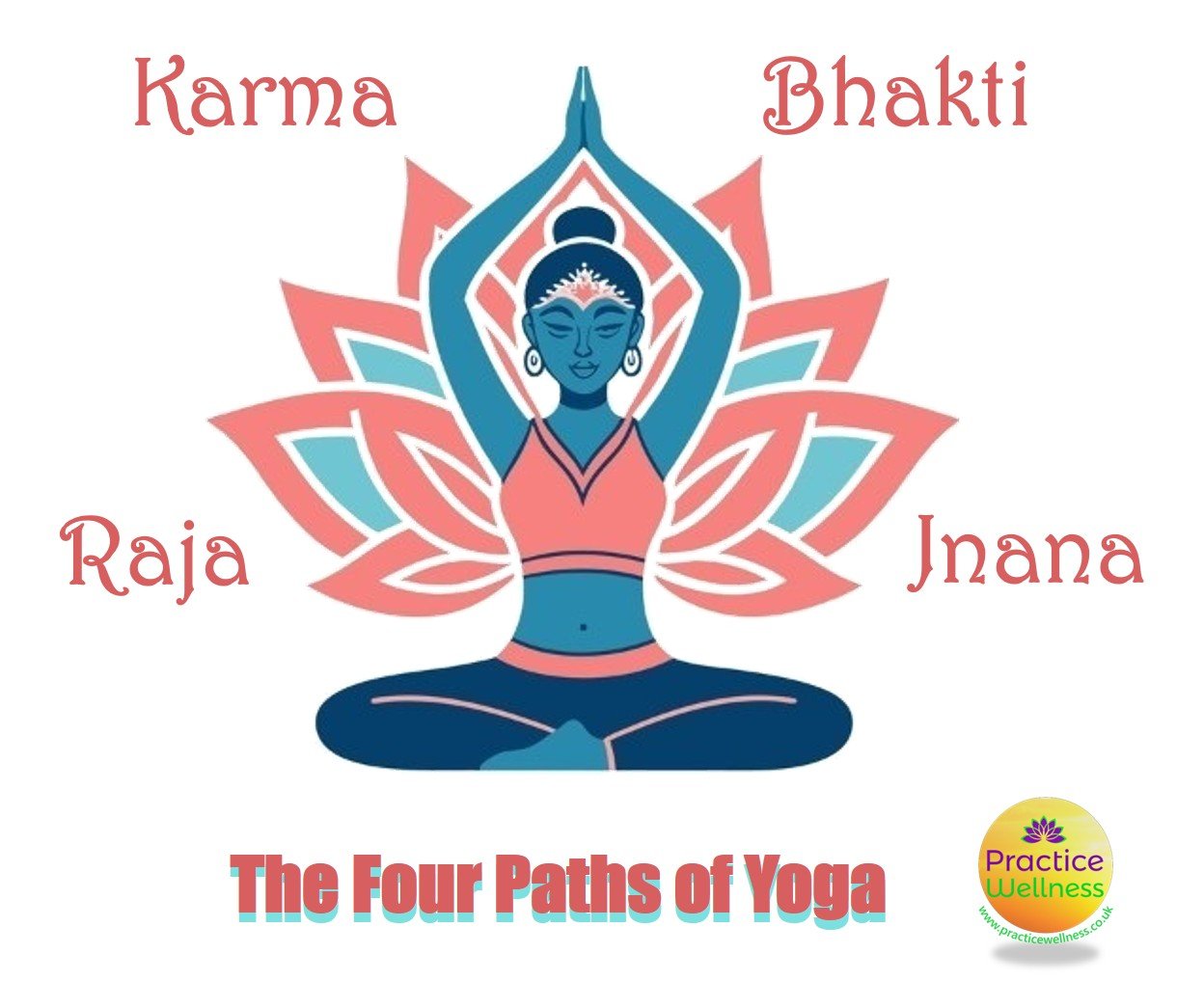
The Vedas prescribe four major paths of yoga in order to clear these impurities and achieve self-realisation. The paths offer a complete roadmap for spiritual growth. They are based on the understanding that individuals have different tendencies: intellectual, emotional, active and introspective. Whilst we could be drawn to one or two of these paths, integrating all four, if possible, could lead to the best result in achieving our yoga goals.
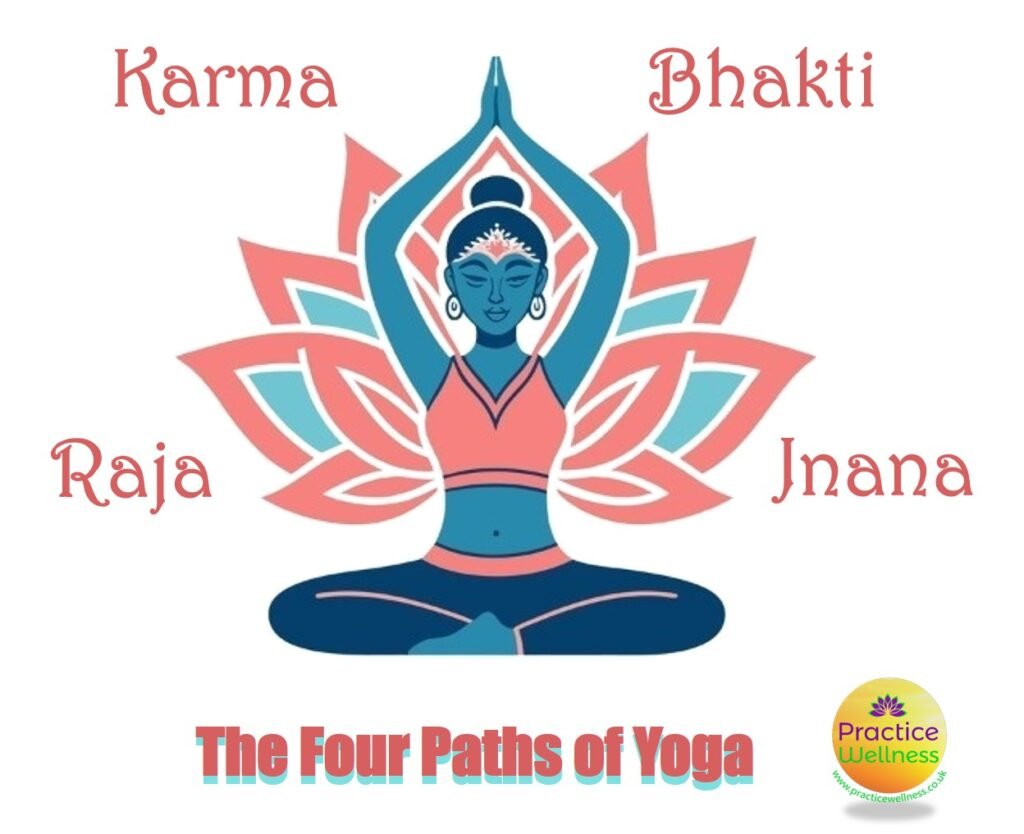
The four paths are: Karma, Bhakti, Raja and Jnana. Although listed in this particular order with Jnana yoga as the culmination, like most things in life, the paths overlap and co-exist together. I describe these in detail below. Point to note, most yoga practitioners nowadays are on the path of Raja Yoga which includes Asana, Pranayama and Meditation, as parts of The Eight Limbs of Yoga. By the way, I have a short online course on the eight limbs. The introduction is free to watch. You will find a link below.
Karma Yoga – the yoga of action and selfless service
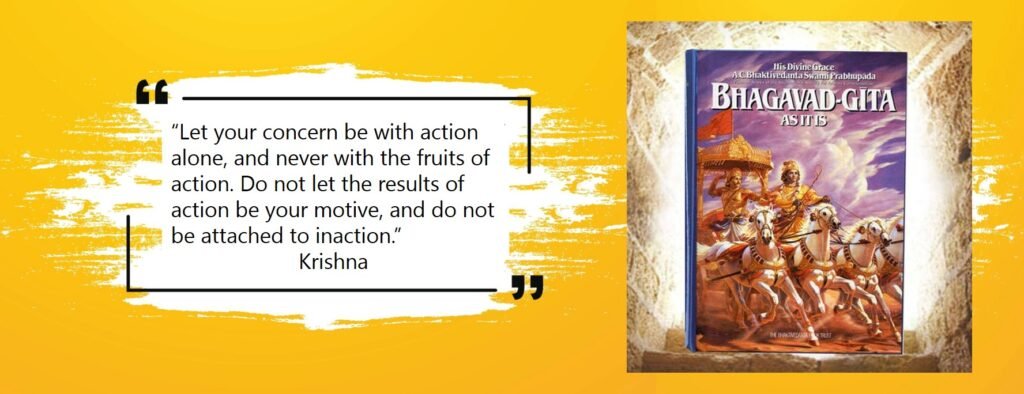
Karma yoga teaches us the secret of work, how to work and serve selflessly without expectations of reward, personal gain, attachment, recognition or egoism. It purifies the heart, burns away selfish tendencies (Mala) and builds inner freedom by encouraging a detachment from the fruits of actions. All actions are done with a focus on Oneness, serving our society in all its aspects, family, work, school and friends – and establishing a connection with the Atman or True Self.
This path resonates most with active and outgoing people.
Bhakti Yoga – the yoga of devotion
Bhakti Yoga is a connection, or re-connection, with our Divine Self.
When we focus the mind on loving thoughts, towards ourselves and others, we overcome the ego, restlessness and distraction of the mind. We surrender to the Divine essence that permeates everything and experience unconditional love and the supreme virtue of humility. It is love for love’s sake.
Bhakti yoga primarily removes mental distraction (Vikshepa), while gradually clearing worldly desires and egoism (Mala). This path resonates most with those of an emotional nature.
Rāja Yoga – the yoga of meditation
The restlessness of the mind (Vikshepa) causes our attention to become carried away in stories and disconnected from our True Essence. Through Raja yoga, we can calm the mind through meditation and achieve a super-conscious state. This is done via Ashtanga (The Eight Limbs) system, as outlined in the Yoga Sutras of Patanjali. Most yoga classes today follow Raja Yoga.
This path is most suited for those with analytical, method-based or scientific nature.
Jñāna Yoga – the yoga of will and intellect
This path asserts that our ego-based ignorance (Avavana) keeps us from knowing our true nature. But through the practice of Jnana yoga, the yoga of knowledge, logic and reason, we can remove the veils of ignorance and forgetfulness to understand reality as it is.
Jnana yoga is an intellectual approach that requires a sharp intellect to grasp its fundamental principles. For this reason, this path can only be approached once we have established a firm foundation in the other three paths.
Time for self-reflection
That is all for today. I hope you enjoyed the blog and learned something from it. Now may be a good time to reflect which path of yoga you feel drawn to the most, based on your own tendencies as described above. You could also perhaps assess your progress through the four paths and set a new yoga goal!
If you wish to send me a comment or a question on this blog, you can email me through my website. Simply follow the link below.
(If you wish to purchase the course, please note that the launch rate will end at the end of December 2026.)
Click here to send me an email.
Namaste,
Sossi